THE FIRST wave of coronavirus swept the world with an event cancelling, travel curtailing, business closing, skewing of everyday life. Watching on, psychologists noted a ‘four-phase’ reaction in the community to this “once in a century” pandemic:
The first reaction was fear and shock manifesting as panic buying – a desperate attempt to take back some control in the face of uncertainty.
With the initial shock subsiding heroism arose – a surge of adrenaline and community spirit to meet the challenge. “We can get through this,” “We’re all in this together!” we told ourselves.
Third in the four-phase reaction was the honeymoon. “It’s not so bad,” we thought. We even reveled in spending more time with the family, time to slow down, pursue hobbies, get creative, learn new recipes, bake up a storm. And the isolation? “Technology to the rescue!” we said. “We can still catch up with friends and family. We can take more of this.”
But then came phase four: Disillusion. Memories began surfacing of life in a pre-social distancing world of hugs and handshakes. We remembered what we had lost. Then emotions took a darker turn: alienation, anger, rebellion; a sense of feeling trapped.
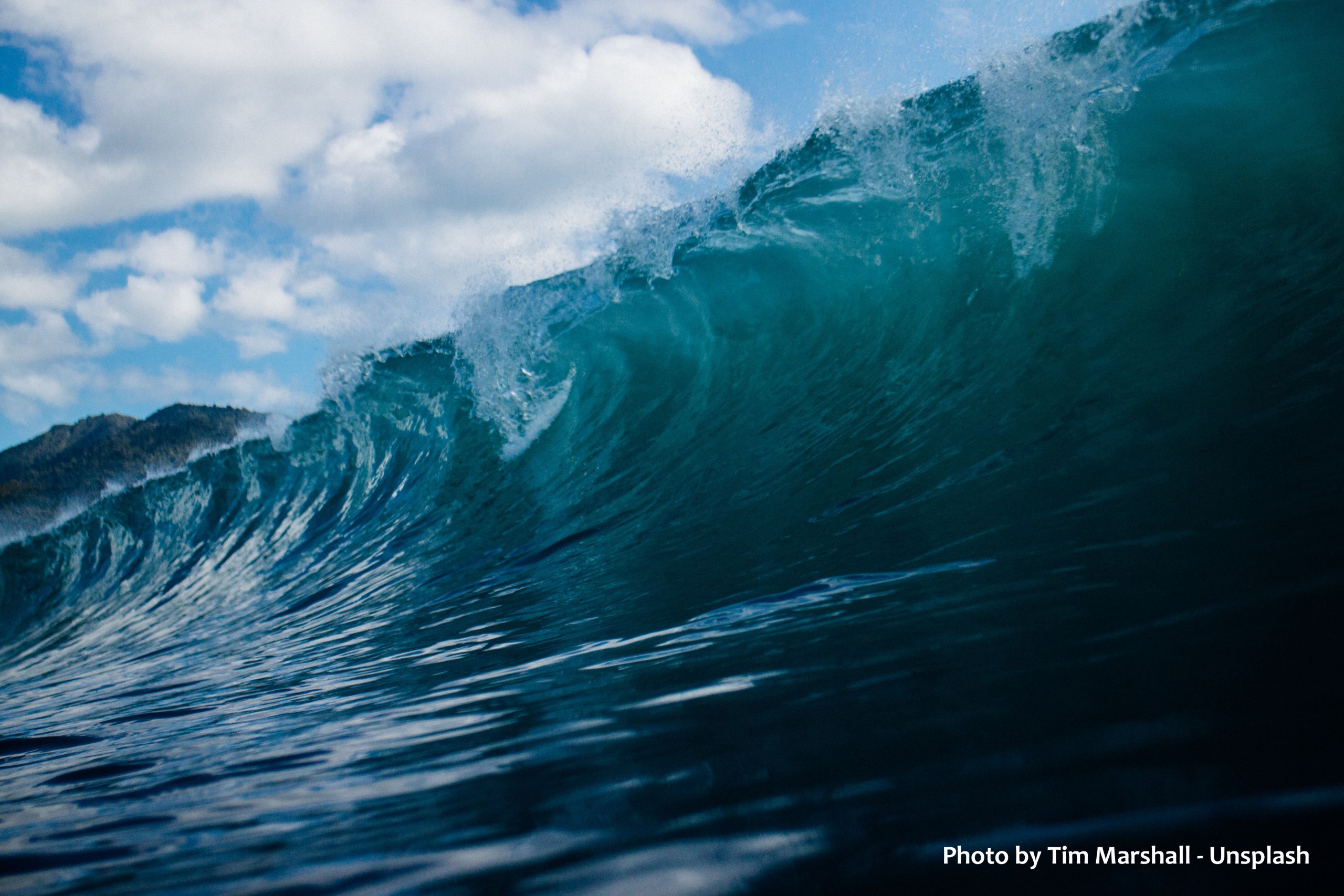
Now, as second and even third waves swamp the world, we’re less resilient. For those in the ‘impact zone,’ having resurfaced, gulping air after the tumbling dumping of the first wave, the second wave remains a threatening peak on the horizon.
The pandemic has inflicted a shock on the national psyche of countries like Australia, where prosperity and freedom have been the norm for decades. But such historic upheavals can bring change, can provoke us into new and better ways of being.
As humanity experiences the vagaries of the external world on a planetary scale, could this prod more of us into seeking the transcendent power of the inner one?
We shall see.