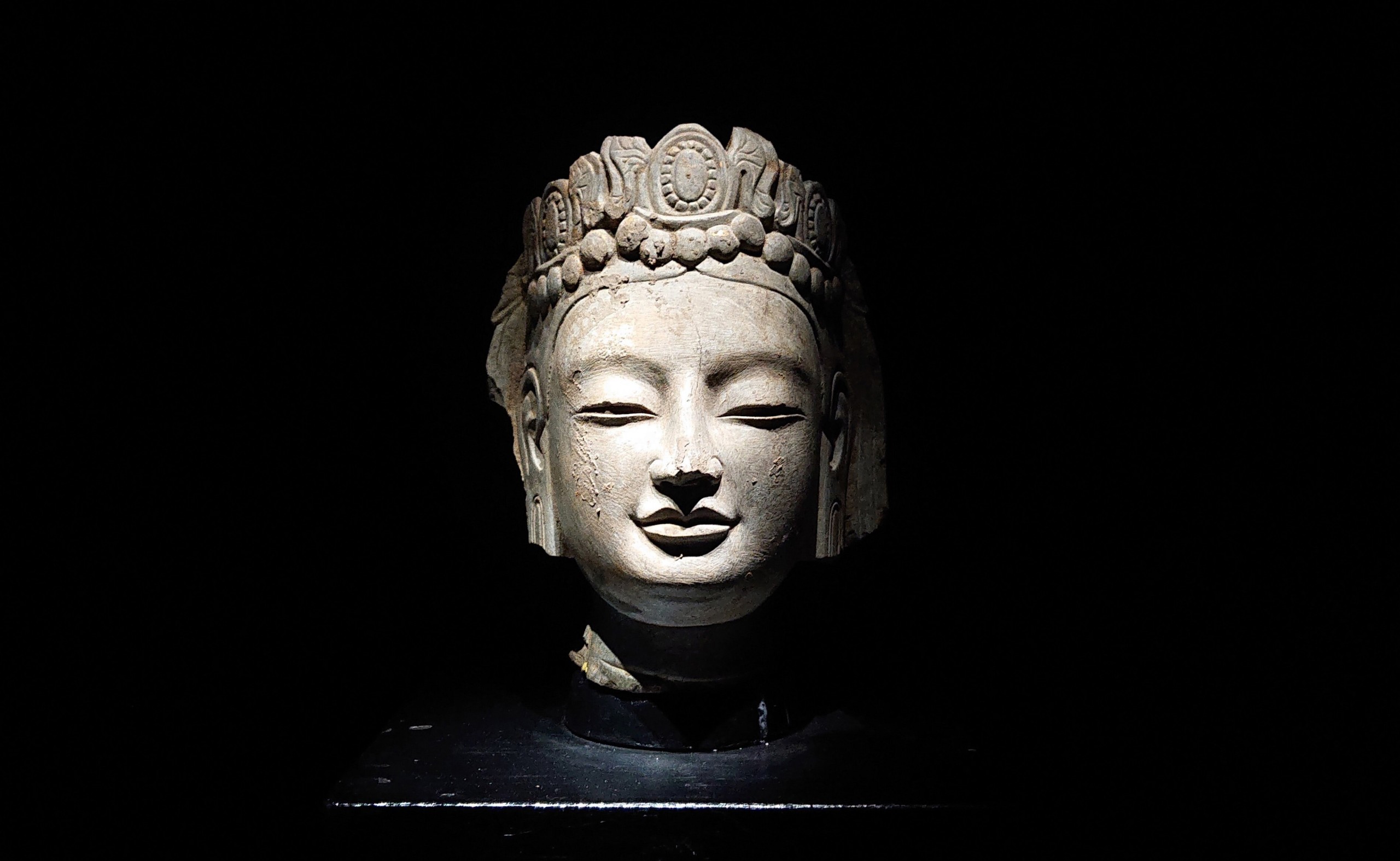
What’s well known is that over 2,500 years ago, in North-Eastern India, the Buddha emerged from the forest after years of austerities, radiating wisdom and peace that captivated the hearts and minds of Society. Using everyday language, he broadcast sacred teachings that had been locked away and misused by a corrupted priestly elite.
What’s not well-known is that the Buddha was part of a much broader movement that had a profound impact on the future of philosophy and religion.
From India to China, through Persia and across to Greece, a galaxy of brilliant individuals led a transformation so deep and enduring that it’s still influencing humanity today. Historians call it the ‘Axial Age,’ stretching from the years 800-200 B.C.E. ‘Axial’ because it’s been so pivotal to our evolution.
These were the times when the Hebrew prophets railed against superstition when Confucius and Lao Tzu laid the foundations of Chinese Culture when philosophical giants strode the streets of Greece: Thales, Pythagoras, Socrates, Plato and others, provoking Society into discussion and reflection, and Upanishadic sages in India led a secret rebellion against the limitations of the Vedic Faith.
Together, with the Buddha, they laid down the spiritual foundations of humanity addressing the fears and confusion afflicting the masses at a time when humankind felt a growing disconnectedness from the traditions and spiritual practices of their ancestors.
They clarified how we perceive ourselves, how we relate to our communities and how we view the world and the cosmos.
They continue to challenge and instruct us today.


3 Comments
vedanta
Testing out comments
vedanta
SS’s comment.
vedanta
I know it’s you